← Weekly Insights · October 19, 2026
Understanding Homework Resistance
When a child avoids homework, gentle support opens the way forward.
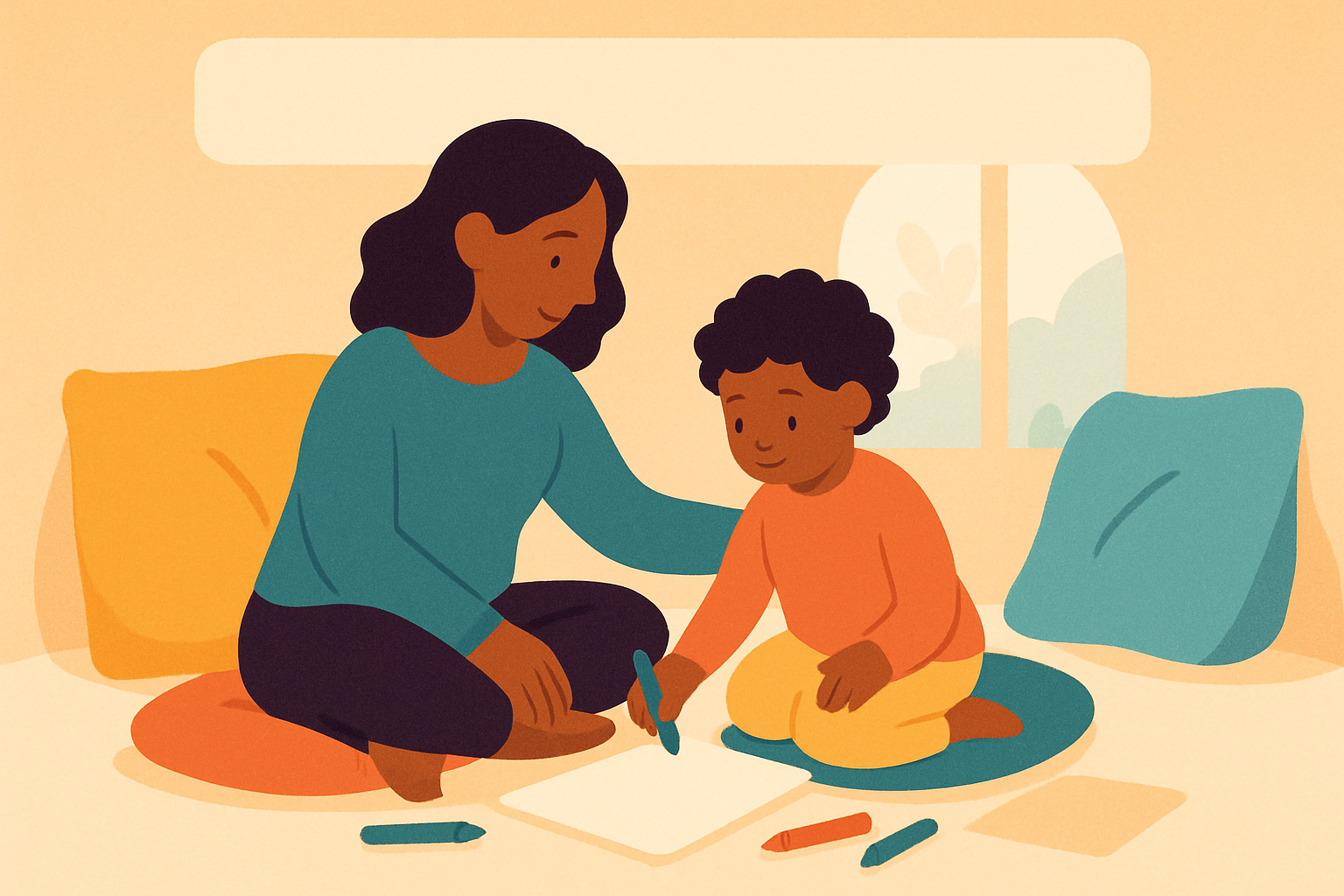
An illustrative, composite scenario — not a real named incident. Educational content only; not medical or legal advice. For diagnosis or support, consult qualified professionals.
"Alex" comes home tired and avoids homework, saying it''s too hard or boring.
Alex feels frustrated but doesn''t know how to ask for help, so he shuts down and won''t start writing tasks.
Behaviour is communication
Instead of pushing harder, see this as a sign that Alex needs a different kind of support and environment.
Recognize homework refusal as a moment to tune in to Alex''s feelings and challenges first, not just behavior.
View Alex as capable but needing the right conditions to show and grow that capability.
What was likely really going on
Hidden Challenges
Alex may find writing physically or emotionally hard, but isn''t able to explain why.
Fear of Failure
Avoidance can come from anxiety about not meeting expectations or feeling judged.
Low Energy or Overwhelm
Lethargy after school can make focusing on demanding tasks feel impossible.
What could have helped
Reggio Emilia: Creating an Inviting Environment
Set up a cozy, engaging space with varied materials that invite writing and expression in playful ways. Make Alex''s ideas visible and valued to boost confidence.
Montessori: Freedom Within Limits
Offer choices about when, where, and how to do homework tasks, within clear agreed limits. This respects Alex''s rhythm and sense of control.
Early-childhood practice: Regulate First, Teach Second
Help Alex calm and focus through gentle routines and emotional connection before expecting effort. Support self-regulation before demanding homework performance.
Try this at home & school
- Create a low-pressure writing corner with fun tools like colored pens or stamps.
- Break homework into very small, doable steps with frequent breaks.
- Offer choices, such as writing letters, drawing, or telling a story aloud.
- Start with a calming routine: deep breaths, a quiet song, or a sensory toy.
- Use encouraging words: avoid pressure, focus on effort, and celebrate tiny successes.
Explore Gentle Support for Homework
If you're supporting a child like this, our neurodiversity strategies and free guides are a good next step — or send us your situation.
Get the weekly insight
One short, practical read each week on what’s really going on beneath children’s behaviour — and what actually helps. Free. Unsubscribe anytime.