← Weekly Insights · October 12, 2026
Calm in Sensory Overwhelm
When noise feels too loud, kids may act out without meaning to.
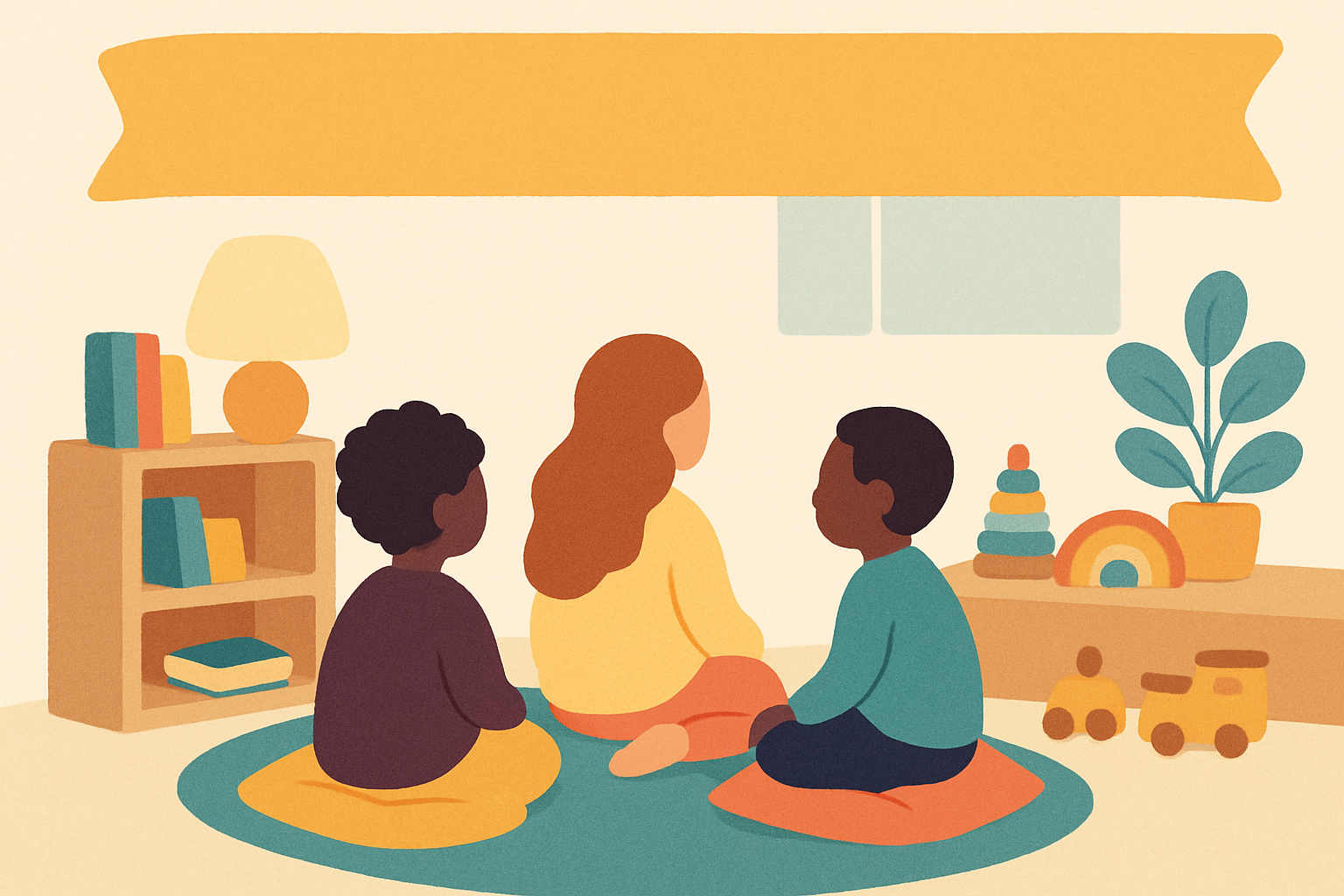
An illustrative, composite scenario — not a real named incident. Educational content only; not medical or legal advice. For diagnosis or support, consult qualified professionals.
"Sam" starts covering his ears and rocking when the classroom gets noisy during group time.
Teachers think "Sam" is being defiant and send him to sit alone as a punishment.
Behaviour is communication
Instead of seeing misbehaviour, we can understand that "Sam" is struggling with sensory overload and needs support.
What was likely really going on
Noise Sensitivity
Some children are more sensitive to sounds and may feel overwhelmed in loud environments.
Communication Challenges
Children may not have the words to explain how they feel, so they act out instead.
Lack of Supportive Environment
Without a calming space or clear signals, sensory overload can quickly lead to distress.
What could have helped
Reggio Emilia: Create Calm Corners
Design quiet spaces filled with natural materials where children can retreat to feel safe and regain calm.
Montessori: Prepare the Environment Thoughtfully
Arrange the classroom to reduce noise and provide tools like headphones or soft materials to ease sensory input.
Early-childhood practice: Regulate Before Teaching
Recognize signs of overwhelm early and help children calm down before expecting cooperation or learning.
Try this at home & school
- Set up a cozy nook with pillows and soft lighting for breaks.
- Use visual schedules to prepare children for noisy activities.
- Provide soft headphones or ear defenders for noise-sensitive children.
- Teach simple calming strategies like deep breaths or squeezing a stress ball.
- Talk with children about their feelings using pictures or simple words.
Support Sensory Needs with Understanding
If you're supporting a child like this, our neurodiversity strategies and free guides are a good next step — or send us your situation.
Get the weekly insight
One short, practical read each week on what’s really going on beneath children’s behaviour — and what actually helps. Free. Unsubscribe anytime.