← Weekly Insights · September 14, 2026
Understanding Aggressive Behavior
What biting or hitting really means for a child.
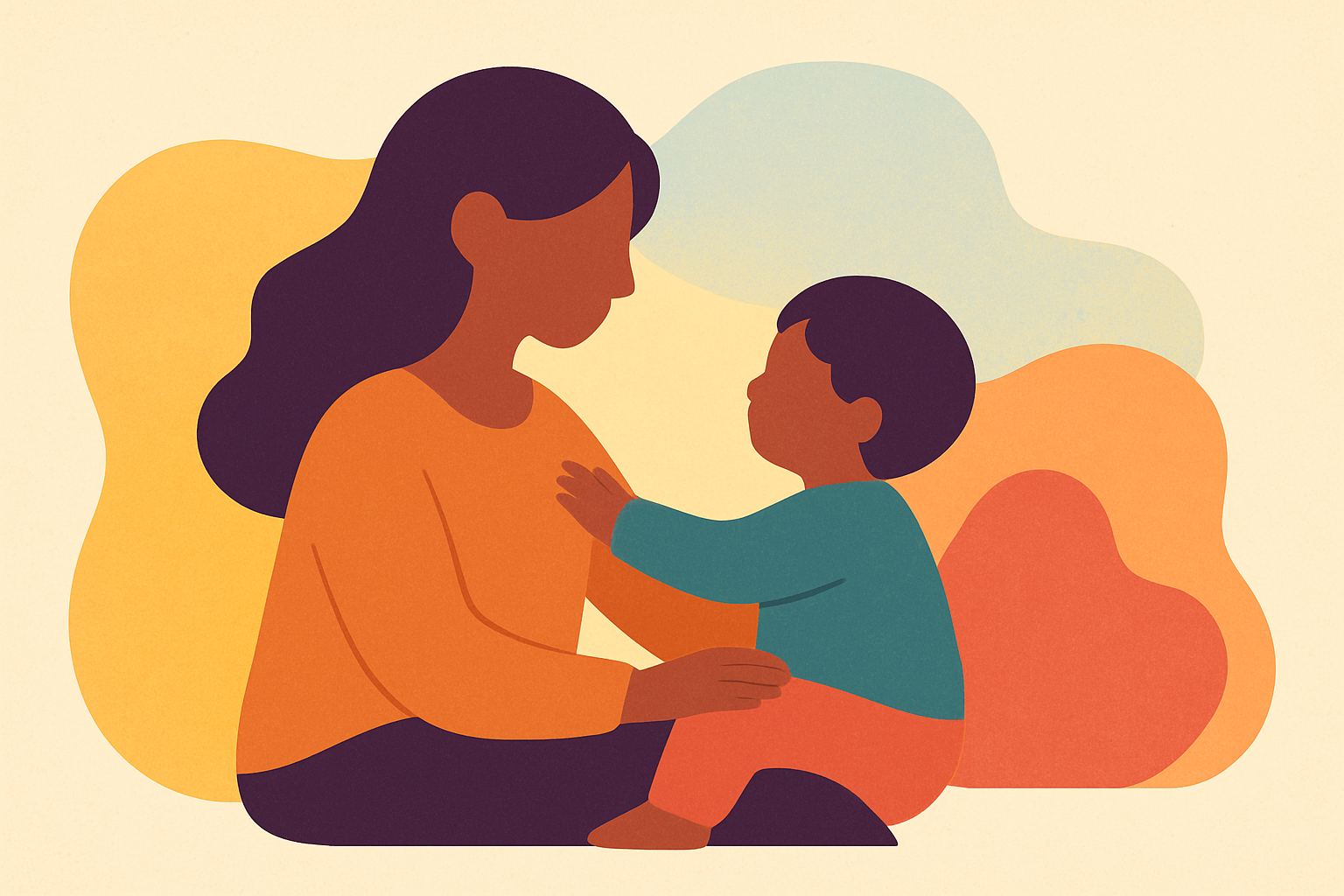
An illustrative, composite scenario — not a real named incident. Educational content only; not medical or legal advice. For diagnosis or support, consult qualified professionals.
"Sam" is a toddler who often bites or hits other children during playtime, leading teachers to label him as "aggressive."
Instead of simply punishing Sam, his caregivers seek to understand what his actions are communicating and how to support him better.
Behaviour is communication
Sam's biting is a form of communication showing unmet needs or strong feelings.
This behavior is a signal that Sam needs help regulating emotions and expressing himself.
Approaching Sam with empathy and clear guidance helps him learn safer ways to connect with others.
What was likely really going on
Limited Language Skills
Young children like Sam may bite or hit when they can’t yet use words to express frustration or ask for help.
Seeking Attention or Connection
Sometimes aggressive actions are ways to get noticed or provoke a response when other interactions feel unclear.
Feeling Overwhelmed or Unregulated
Strong emotions like anger or anxiety can be hard for young children to manage, leading to outbursts.
What could have helped
Reggio Emilia: Create a Trusting Environment
Design a space where Sam feels safe and respected, recognizing him as capable of expressing feelings through many languages, including behavior.
Montessori: Offer Freedom Within Limits
Provide Sam with choices and clear consistent boundaries, so he can explore how to express himself safely and with respect for others.
Early-childhood practice: Regulate First, Teach Second
Help Sam calm down before trying to explain or correct. Support emotional regulation so he can learn better ways to communicate.
Try this at home & school
- Watch carefully to notice what triggers Sam's biting or hitting.
- Use simple words to label feelings when Sam is calm, like "You seem angry."
- Set up a cozy quiet space where Sam can go to relax if overwhelmed.
- Offer plenty of positive attention when Sam uses gentle hands or words.
- Involve Sam in problem-solving, like asking "How can we play nicely together?"
Learn More About Supporting Expression
If you're supporting a child like this, our neurodiversity strategies and free guides are a good next step — or send us your situation.
Get the weekly insight
One short, practical read each week on what’s really going on beneath children’s behaviour — and what actually helps. Free. Unsubscribe anytime.