← Weekly Insights · September 7, 2026
Helping Toddlers with Transitions
Toddler refusals often hide the struggle with change, not defiance.
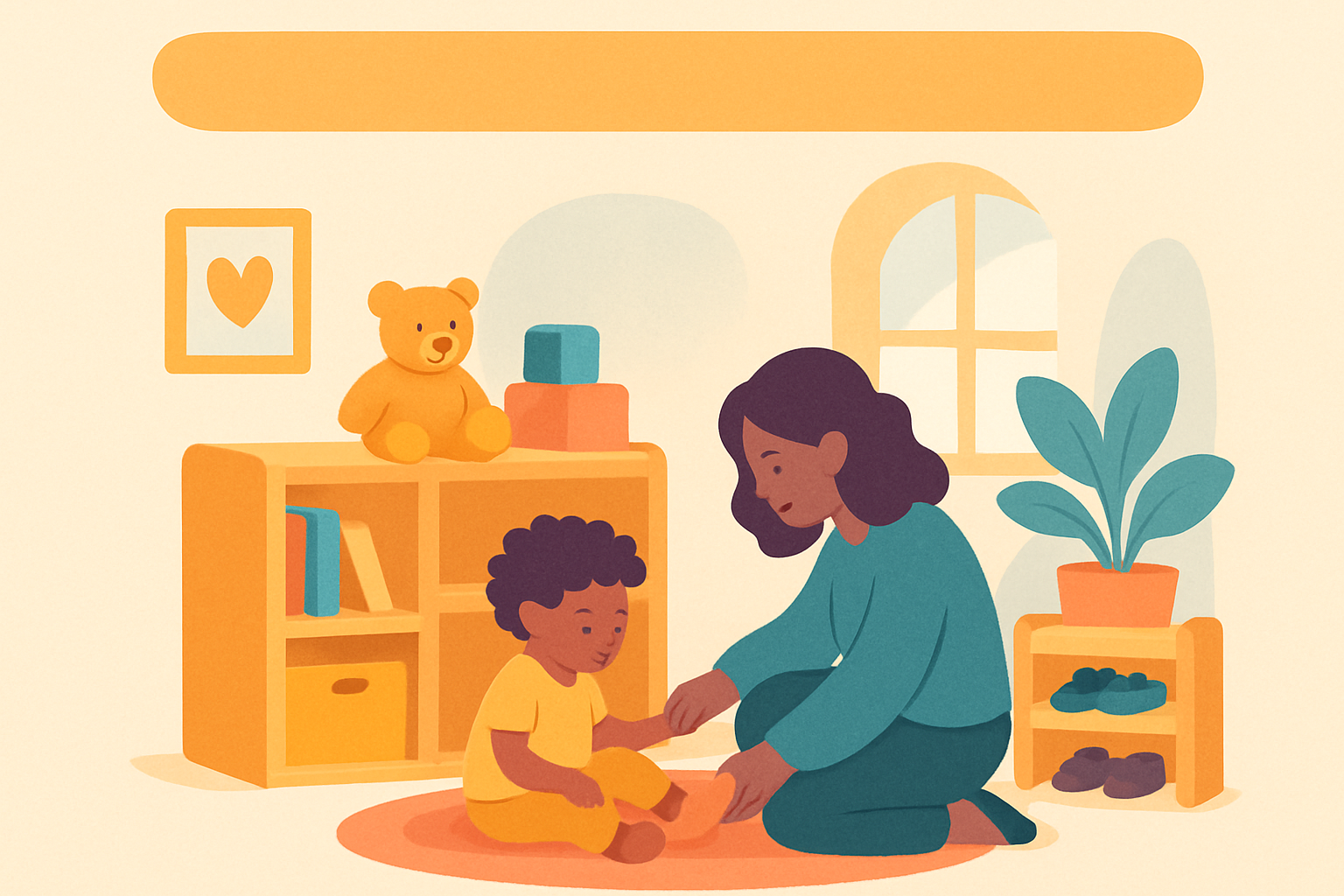
An illustrative, composite scenario — not a real named incident. Educational content only; not medical or legal advice. For diagnosis or support, consult qualified professionals.
"Joey" loves playing at the park but refuses to leave when it’s time to go, kicking and saying no to putting on shoes.
At home, getting "Joey" to put shoes on is a battle each morning, with yelling and tears instead of calm cooperation.
Behaviour is communication
Joey’s behavior isn’t about being defiant but about finding transitions hard and needing support to feel safe and ready.
Toddlers express big feelings through their actions when routines change, which adults can ease with thoughtful strategies.
What feels like stubborn refusal is often a child’s way of managing uncertainty and needing more time or control.
What was likely really going on
Big feelings in small bodies
Toddlers feel emotions deeply but don’t yet know how to express or manage them, so changes can feel overwhelming.
Need for control
When routines shift abruptly, toddlers try to regain control by resisting instructions or refusing actions.
Brain development
The part of a child’s brain that manages self-regulation and flexibility is still developing, making transitions especially tricky.
What could have helped
Reggio Emilia: Create a predictable, inviting environment
Design spaces and routines that gently signal upcoming transitions, allowing Joey to anticipate and feel capable, like having a special spot for shoes and visual cues for leaving time.
Montessori: Offer freedom within clear limits
Let Joey choose the order of putting on shoes or offer options like selecting which shoes to wear, while keeping boundaries firm and consistent about leaving the park.
Early-childhood practice: Regulate first, teach second
Before asking Joey to leave or put on shoes, help calm his feelings with comforting words or a calming activity, then gently guide him through the steps.
Try this at home & school
- Give Joey a 5-minute warning before leaving the park using a timer or song.
- Create a shoe-rack at child height and let Joey decide which pair to wear.
- Offer choices like "Should we put on your red shoes or blue?" to build a sense of control.
- Use a calming routine like deep breaths or a hug to help Joey transition.
- Validate Joey’s feelings by saying, "I see you want to keep playing; it’s hard to stop."
Approach transitions with kindness and understanding
If you're supporting a child like this, our neurodiversity strategies and free guides are a good next step — or send us your situation.
Get the weekly insight
One short, practical read each week on what’s really going on beneath children’s behaviour — and what actually helps. Free. Unsubscribe anytime.