← Weekly Insights · August 10, 2026
Calm Screen-Time Transitions
Helping kids navigate screen-time changes with empathy and predictability.
An illustrative, composite scenario — not a real named incident. Educational content only; not medical or legal advice. For diagnosis or support, consult qualified professionals.
"Emma" is asked to stop her tablet game and put it away. She reacts with a big tantrum: yelling and throwing a toy nearby.
Her parent feels frustrated, unsure how to ease Emma off the screen without a meltdown.
Behaviour is communication
What if Emma’s reaction tells us she feels surprised or out of control? Predictability and gentle cues can guide her calmly through this tough moment.
What was likely really going on
Sudden Change
Emma wasn’t ready for the abrupt end of her screen time, which felt like losing something important all at once.
Feeling Overwhelmed
Switching from a highly engaging screen activity back to everyday tasks can be jarring and create big emotions.
Need for Control
Emma’s tantrum can be a way to express her need to feel in charge of what happens next.
What could have helped
Reggio Emilia: Create a Predictable Environment
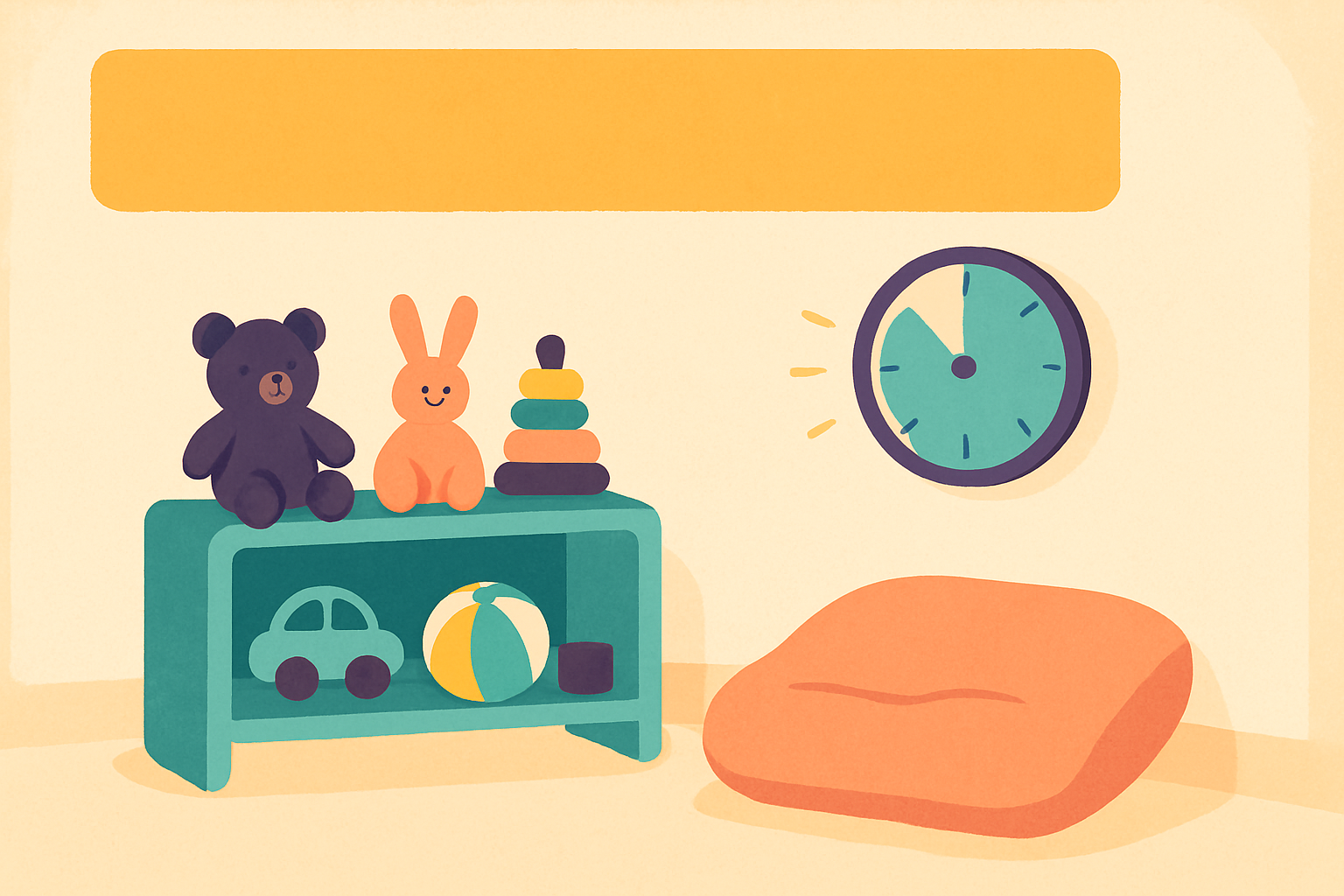
Set up cues in the room that gently remind Emma when screen time is ending. Visual timers or gently guiding her activities can frame transition as part of her capable routine.
Montessori: Offer Freedom Within Limits
Give Emma choices about how to end screen time: Which toy to put away first? What activity to do next? This balances her need for control and the limit set by the adult.
Early-childhood practice: Regulate First, Teach Second
Focus on calming Emma’s emotions before explaining the rules. Use soothing tones, deep breaths, or a cozy corner to help her feel safe before guiding her next steps.
Try this at home & school
- Use a visible timer that beeps or changes color to signal screen time ending soon.
- Offer a simple choice, like ‘Five more minutes or clean up now?’
- Create a little goodbye ritual for the screen, like saying ‘Thank you, tablet’ before turning it off.
- Practice calming breaths together or a cuddle to ease big feelings.
- Prepare the environment with clear spots for screens and toys to organize transitions visually.
Support Smooth Screen-Time Changes
If you're supporting a child like this, our neurodiversity strategies and free guides are a good next step — or send us your situation.
Get the weekly insight
One short, practical read each week on what’s really going on beneath children’s behaviour — and what actually helps. Free. Unsubscribe anytime.