← Weekly Insights · August 3, 2026
Sibling Conflict and Repair
Helping children resolve fights through kindness, not blame.
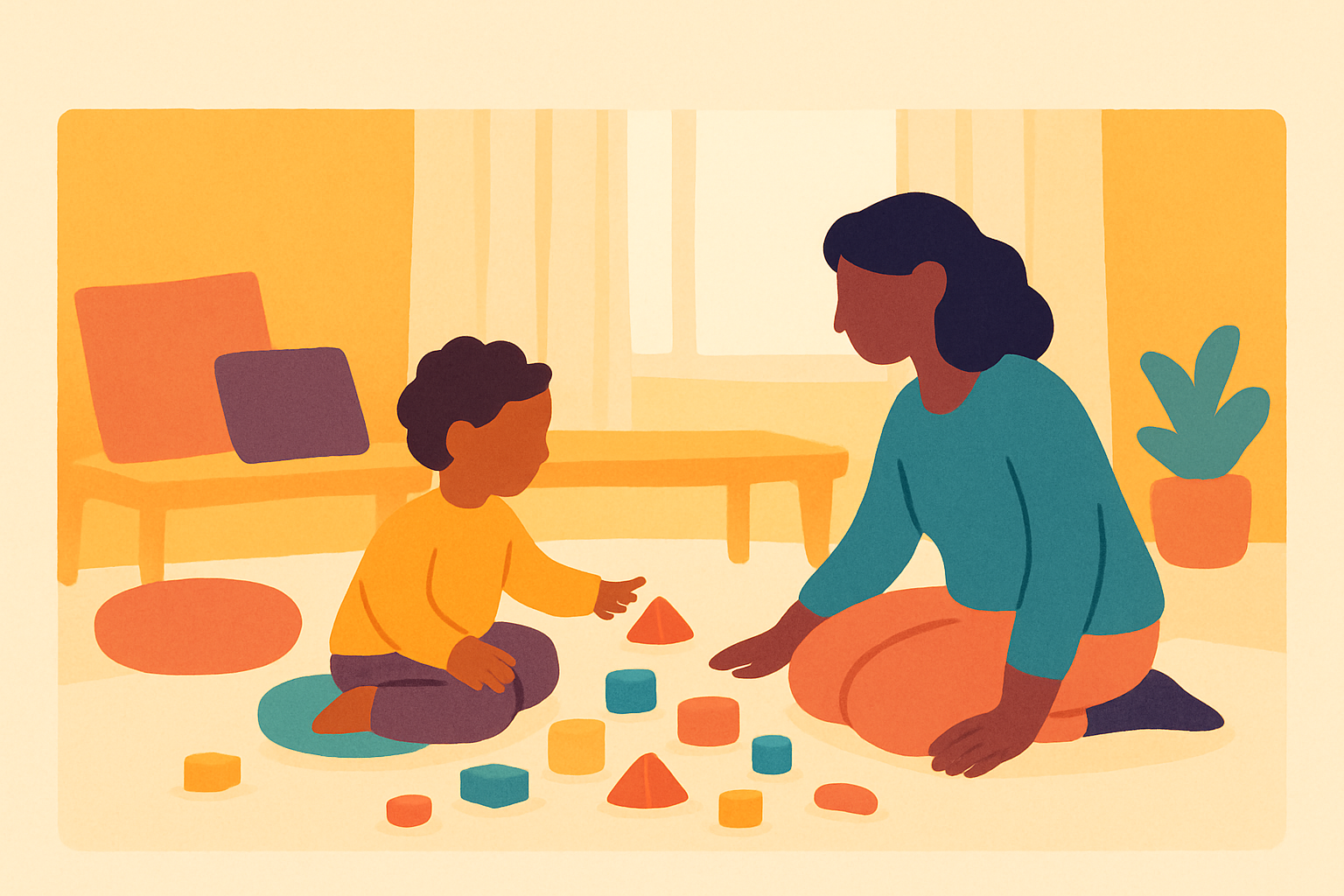
An illustrative, composite scenario — not a real named incident. Educational content only; not medical or legal advice. For diagnosis or support, consult qualified professionals.
"Liam" and "Sophie" are playing with blocks. Suddenly, Liam grabs a block Sophie was about to use. Sophie shouts that Liam is mean, and Liam snaps back.
Their voices get louder, and soon both are upset. Instead of listening, their parent hears the noise and immediately says, 'Stop tattling! You both need to calm down.'
Behaviour is communication
What if the focus shifted from blame to repair? Teaching children to express feelings and find solutions together can transform conflict into connection.
What was likely really going on
Natural Sibling Rivalry
Siblings spend a lot of time together and often want the same things, leading to conflicts as they express their needs and feelings.
Developmental Need for Attention
Sometimes children 'tattle' because they seek adult attention or help understanding social rules.
Lack of Conflict Skills
Young children haven't yet learned how to resolve disagreements calmly or how to communicate their emotions clearly.
What could have helped
Reggio Emilia: Environment of Cooperation
Arrange shared spaces that encourage collaboration, using projects where children work together and see each other as capable problem-solvers.
Montessori: Freedom Within Limits
Offer choices and tools for peaceful conflict resolution, giving children freedom to negotiate with clear, respectful boundaries set by adults.
Early-childhood practice: Regulate First, Teach Second
Help children calm down physically before discussing the disagreement, so they can listen and participate in repairing the relationship.
Try this at home & school
- Set up a quiet place with calming items for when conflicts arise.
- Teach simple words for feelings like 'mad' or 'sad' before addressing the problem.
- Guide children to say what happened and how it made them feel without blaming.
- Help them brainstorm solutions together instead of punishing.
- Praise their efforts to listen and make up, reinforcing kindness.
Start Repairing Today
If you're supporting a child like this, our neurodiversity strategies and free guides are a good next step — or send us your situation.
Get the weekly insight
One short, practical read each week on what’s really going on beneath children’s behaviour — and what actually helps. Free. Unsubscribe anytime.